Shop slate effect shower trays with riven surface detail for a modern, stone-inspired shower base. Compare low-profile rectangular designs with slip-resistant textured finishes and linear drainage layouts, then check the individual product dimensions, drain requirements and installation specification before ordering.
-
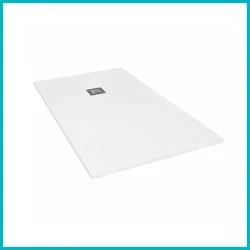
White Slate Effect Shower Trays
13 products -
1000 x 800mm Rectangular Shower Trays, 1000mm Anti-Slip Shower Trays, 30mm Low Profile Shower Trays, Anti-Slip Shower Trays, Low Profile Shower Trays, Rectangular Shower Trays, Shower Trays, Slate Effect Shower Trays, White Slate Effect Shower Trays
Scudo Azura 1000 x 800mm White Textured Slate Linear Waste Shower Tray
Original price was: £320.00.
Our Price: £199.99Current price is: £199.99. -
1000 x 900mm Rectangular Shower Trays, 1000mm Anti-Slip Shower Trays, 30mm Low Profile Shower Trays, Anti-Slip Shower Trays, Low Profile Shower Trays, Rectangular Shower Trays, Shower Trays, Slate Effect Shower Trays, White Slate Effect Shower Trays
Scudo Azura 1000 x 900mm White Textured Slate Linear Waste Shower Tray
Original price was: £330.00.
Our Price: £209.99Current price is: £209.99. -
1200 x 800mm Rectangular Shower Trays, 1200mm Anti-Slip Shower Trays, 30mm Low Profile Shower Trays, Anti-Slip Shower Trays, Low Profile Shower Trays, Rectangular Shower Trays, Shower Trays, Slate Effect Shower Trays, White Slate Effect Shower Trays
Scudo Azura 1200 x 800mm White Textured Slate Linear Waste Shower Tray
Original price was: £340.00.
Our Price: £219.99Current price is: £219.99. -
1200 x 900mm Rectangular Shower Trays, 1200mm Anti-Slip Shower Trays, 30mm Low Profile Shower Trays, Anti-Slip Shower Trays, Low Profile Shower Trays, Rectangular Shower Trays, Shower Trays, Slate Effect Shower Trays, White Slate Effect Shower Trays
Scudo Azura 1200 x 900mm White Textured Slate Linear Waste Shower Tray
Original price was: £350.00.
Our Price: £229.99Current price is: £229.99. -
1400 x 800mm Rectangular Shower Trays, 1400mm Anti-Slip Shower Trays, 30mm Low Profile Shower Trays, Anti-Slip Shower Trays, Low Profile Shower Trays, Rectangular Shower Trays, Shower Trays, Slate Effect Shower Trays, White Slate Effect Shower Trays
Scudo Azura 1400 x 800mm White Textured Slate Linear Waste Shower Tray
Original price was: £440.00.
Our Price: £288.99Current price is: £288.99. -
1400 x 900mm Rectangular Shower Trays, 1400mm Anti-Slip Shower Trays, 30mm Low Profile Shower Trays, Anti-Slip Shower Trays, Low Profile Shower Trays, Rectangular Shower Trays, Shower Trays, Slate Effect Shower Trays, White Slate Effect Shower Trays
Scudo Azura 1400 x 900mm White Textured Slate Linear Waste Shower Tray
Original price was: £442.00.
Our Price: £289.99Current price is: £289.99. -
1500 x 800mm Rectangular Shower Trays, 1500mm Anti-Slip Shower Trays, 30mm Low Profile Shower Trays, Anti-Slip Shower Trays, Low Profile Shower Trays, Rectangular Shower Trays, Shower Trays, Slate Effect Shower Trays, White Slate Effect Shower Trays
Scudo Azura 1500 x 800mm White Textured Slate Linear Waste Shower Tray
Original price was: £453.00.
Our Price: £297.99Current price is: £297.99. -
1500 x 900mm Rectangular Shower Trays, 1500mm Anti-Slip Shower Trays, 30mm Low Profile Shower Trays, Anti-Slip Shower Trays, Low Profile Shower Trays, Rectangular Shower Trays, Shower Trays, Slate Effect Shower Trays, White Slate Effect Shower Trays
Scudo Azura 1500 x 900mm White Textured Slate Linear Waste Shower Tray
Original price was: £456.00.
Our Price: £299.99Current price is: £299.99. -
1600 x 800mm Rectangular Shower Trays, 1600mm Anti-Slip Shower Trays, 30mm Low Profile Shower Trays, Anti-Slip Shower Trays, Low Profile Shower Trays, Rectangular Shower Trays, Shower Trays, Slate Effect Shower Trays, White Slate Effect Shower Trays
Scudo Azura 1600 x 800mm White Textured Slate Linear Waste Shower Tray
Original price was: £453.00.
Our Price: £297.99Current price is: £297.99. -
1600 x 900mm Rectangular Shower Trays, 1600mm Anti-Slip Shower Trays, 30mm Low Profile Shower Trays, Anti-Slip Shower Trays, Low Profile Shower Trays, Rectangular Shower Trays, Shower Trays, Slate Effect Shower Trays, White Slate Effect Shower Trays
Scudo Azura 1600 x 900mm White Textured Slate Linear Waste Shower Tray
Original price was: £456.00.
Our Price: £299.99Current price is: £299.99. -
1700 x 700mm Rectangular Shower Trays, 1700mm Anti-Slip Shower Trays, 30mm Low Profile Shower Trays, Anti-Slip Shower Trays, Low Profile Shower Trays, Rectangular Shower Trays, Shower Trays, Slate Effect Shower Trays, White Slate Effect Shower Trays
Scudo Azura 1700 x 700mm White Textured Slate Linear Waste Shower Tray
Original price was: £524.00.
Our Price: £344.99Current price is: £344.99. -
1700 x 800mm Rectangular Shower Trays, 1700mm Anti-Slip Shower Trays, 30mm Low Profile Shower Trays, Anti-Slip Shower Trays, Low Profile Shower Trays, Rectangular Shower Trays, Shower Trays, Slate Effect Shower Trays, White Slate Effect Shower Trays
Scudo Azura 1700 x 800mm White Textured Slate Linear Waste Shower Tray
Original price was: £545.00.
Our Price: £357.99Current price is: £357.99.