Shop LED bathroom mirrors with integrated lighting for a clearer view above the basin. Compare round, oval, square and rectangular designs, ambient, backlit or border lighting, touch or infrared controls, and product-specific options such as adjustable light colour, demister pads and shaving sockets before ordering.
-
Bathroom Mirrors, Demister Bathroom Mirrors, LED Bathroom Mirrors, Oval Bathroom Mirrors
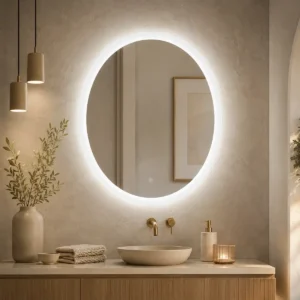
Kartell Lola LED Backlit Oval Mirror Demister Pad
Original price was: £261.00.
Our Price: £168.49Current price is: £168.49. -
Bathroom Mirrors, Demister Bathroom Mirrors, LED Bathroom Mirrors, Rectangular Bathroom Mirrors, Shaving Socket Mirrors
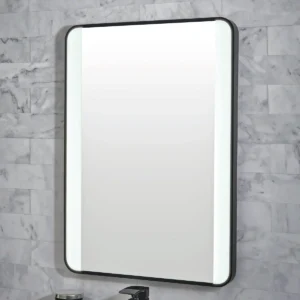
Scudo Aura 1200 x 600mm LED Demister Touch Mirror Curved Sides
Original price was: £671.00.
Our Price: £235.99Current price is: £235.99. -
Bathroom Mirrors, Demister Bathroom Mirrors, LED Bathroom Mirrors, Rectangular Bathroom Mirrors, Shaving Socket Mirrors
Scudo Aura 700 x 500mm Single Touch LED Ambient Mirror
Original price was: £410.00.
Our Price: £201.49Current price is: £201.49. -
Bathroom Mirrors, Demister Bathroom Mirrors, LED Bathroom Mirrors, Rectangular Bathroom Mirrors, Shaving Socket Mirrors
Scudo Aura 800 x 600mm LED Frameless Demister Touch Mirror
Original price was: £462.00.
Our Price: £171.99Current price is: £171.99. -
Bathroom Mirrors, Black Bathroom Mirrors, LED Bathroom Mirrors, Round Bathroom Mirrors
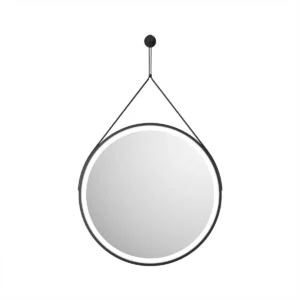
Scudo Belini 600mm Matt Black Round LED Hanging Mirror
Original price was: £514.00.
Our Price: £235.99Current price is: £235.99. -
Bathroom Mirrors, Demister Bathroom Mirrors, LED Bathroom Mirrors, Round Bathroom Mirrors
Scudo Lunar 600mm Ambient LED Circle Demister IP44 Mirror
Original price was: £432.00.
Our Price: £178.49Current price is: £178.49. -
Bathroom Mirrors, Demister Bathroom Mirrors, LED Bathroom Mirrors, Round Bathroom Mirrors
Scudo Lunar 800mm Ambient LED Circle Demister IP44 Mirror
Original price was: £520.00.
Our Price: £216.99Current price is: £216.99. -
Bathroom Mirrors, Brushed Brass Bathroom Mirrors, LED Bathroom Mirrors, Round Bathroom Mirrors
Scudo Macie 600mm Circle Brushed Brass Infrared LED Mirror
Original price was: £379.00.
Our Price: £178.49Current price is: £178.49. -
Bathroom Mirrors, Black Bathroom Mirrors, Demister Bathroom Mirrors, LED Bathroom Mirrors, Round Bathroom Mirrors
Scudo Macie 600mm Circle Matt Black Infrared LED Mirror
Original price was: £346.00.
Our Price: £159.99Current price is: £159.99. -
Bathroom Mirrors, Black Bathroom Mirrors, Demister Bathroom Mirrors, LED Bathroom Mirrors, Rectangular Bathroom Mirrors
Scudo Mono Black 500 x 700mm Demister Colour Changing Mirror
Original price was: £400.00.
Our Price: £169.99Current price is: £169.99. -
Bathroom Mirrors, Demister Bathroom Mirrors, LED Bathroom Mirrors, Rectangular Bathroom Mirrors, Shaving Socket Mirrors, White Bathroom Mirrors
Scudo Mosca 1200 x 600mm Demister Shaver Socket LED Mirror
Original price was: £783.00.
Our Price: £370.99Current price is: £370.99. -
Bathroom Mirrors, Demister Bathroom Mirrors, LED Bathroom Mirrors, Rectangular Bathroom Mirrors, Shaving Socket Mirrors, White Bathroom Mirrors
Scudo Mosca 500 x 700mm Demister Socket LED Mirror
Original price was: £567.00.
Our Price: £264.99Current price is: £264.99.