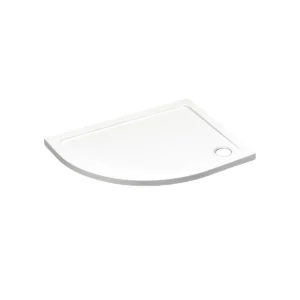
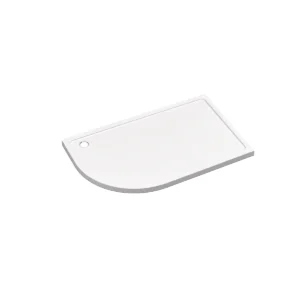
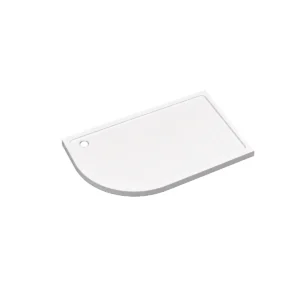
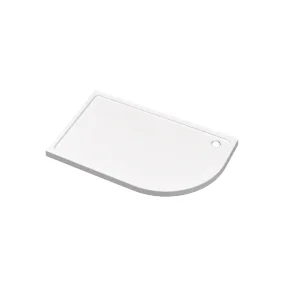
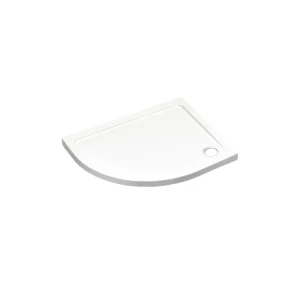
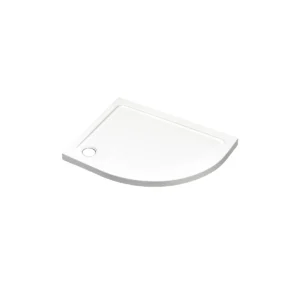
Offset quadrant shower trays give you the curved, space-saving front of a quadrant tray with extra width for a more comfortable showering area. The longer side makes them ideal for en-suites and bathrooms where a standard quadrant feels too small but a rectangular tray would project too sharply into the room. Left and right hand options help match the tray to your corner layout, door opening and pipework.
-
1200 x 900mm Offset Quadrant Shower Trays
2 products -

Left-Hand Offset Quadrant Shower Trays
4 products -

Right-Hand Offset Quadrant Shower Trays
4 products -
900 x 760mm Offset Quadrant Shower Trays
2 products -
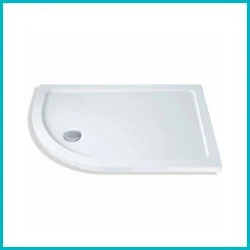
1000 x 800mm Offset Quadrant Shower Trays
2 products -
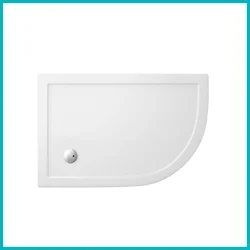
1200 x 800mm Offset Quadrant Shower Trays
2 products -
1000 x 800mm Offset Quadrant Shower Trays, 45mm Low Profile Shower Trays, Left-Hand Offset Quadrant Shower Trays, Low Profile Shower Trays, Offset Quadrant Shower Trays, Shower Trays
Kartell 1000 x 800mm LH Offset Quadrant 45mm Shower Tray
Original price was: £343.00.
Our Price: £233.99Current price is: £233.99. -
1000 x 800mm Offset Quadrant Shower Trays, 45mm Low Profile Shower Trays, Low Profile Shower Trays, Offset Quadrant Shower Trays, Right-Hand Offset Quadrant Shower Trays, Shower Trays
Kartell 1000 x 800mm RH Offset Quadrant 45mm Shower Tray
Original price was: £343.00.
Our Price: £233.99Current price is: £233.99. -
1200 x 800mm Offset Quadrant Shower Trays, 45mm Low Profile Shower Trays, Left-Hand Offset Quadrant Shower Trays, Low Profile Shower Trays, Offset Quadrant Shower Trays, Shower Trays
Kartell 1200 x 800mm LH Offset Quadrant 45mm Shower Tray
Original price was: £379.00.
Our Price: £234.99Current price is: £234.99. -
1200 x 800mm Offset Quadrant Shower Trays, 45mm Low Profile Shower Trays, Low Profile Shower Trays, Offset Quadrant Shower Trays, Right-Hand Offset Quadrant Shower Trays, Shower Trays
Kartell 1200 x 800mm RH Offset Quadrant 45mm Shower Tray
Original price was: £379.00.
Our Price: £234.99Current price is: £234.99. -
1200 x 900mm Offset Quadrant Shower Trays, 45mm Low Profile Shower Trays, Left-Hand Offset Quadrant Shower Trays, Low Profile Shower Trays, Offset Quadrant Shower Trays, Shower Trays
Kartell 1200 x 900mm LH Offset Quadrant 45mm Shower Tray
Original price was: £399.00.
Our Price: £237.49Current price is: £237.49. -
1200 x 900mm Offset Quadrant Shower Trays, 45mm Low Profile Shower Trays, Low Profile Shower Trays, Offset Quadrant Shower Trays, Right-Hand Offset Quadrant Shower Trays, Shower Trays
Kartell 1200 x 900mm RH Offset Quadrant 45mm Shower Tray
Original price was: £399.00.
Our Price: £237.49Current price is: £237.49. -
45mm Low Profile Shower Trays, 900 x 760mm Offset Quadrant Shower Trays, Left-Hand Offset Quadrant Shower Trays, Low Profile Shower Trays, Offset Quadrant Shower Trays, Shower Trays
Kartell 900 x 760mm LH Offset Quadrant 45mm Shower Tray
Original price was: £343.00.
Our Price: £229.99Current price is: £229.99. -
45mm Low Profile Shower Trays, 900 x 760mm Offset Quadrant Shower Trays, Low Profile Shower Trays, Offset Quadrant Shower Trays, Right-Hand Offset Quadrant Shower Trays, Shower Trays
Kartell 900 x 760mm RH Offset Quadrant 45mm Shower Tray
Original price was: £343.00.
Our Price: £229.99Current price is: £229.99.