Wooden bath panels are chosen for their solid, furniture-like feel, giving the outside of a straight bath a more substantial finish than lightweight plastic options. The material suits bathrooms where the bath panel needs to look built in and work with vanity units, fitted furniture or traditional detailing. They can help cover the bath frame, waste area and pipework while adding a more crafted look to the room.
-
1700mm Front Bath Panels, Bath Panels, Baths, Front Bath Panels, MDF Bath Panels, Wooden Bath Panels
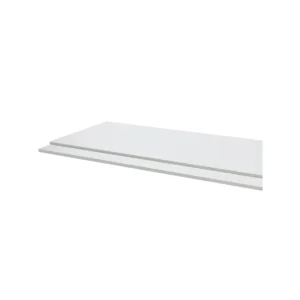
Kartell Purity 1700mm White Gloss 2 Piece Front Bath Panel
Original price was: £156.00.
Our Price: £99.99Current price is: £99.99. -
1800mm Front Bath Panels, Bath Panels, Baths, Front Bath Panels, MDF Bath Panels, Wooden Bath Panels
Kartell Purity 1800mm White 2 Piece Long Side Bath Panel
Original price was: £170.00.
Our Price: £104.99Current price is: £104.99. -
700mm End Bath Panels, Bath Panels, Baths, End Bath Panels, MDF Bath Panels, Wooden Bath Panels
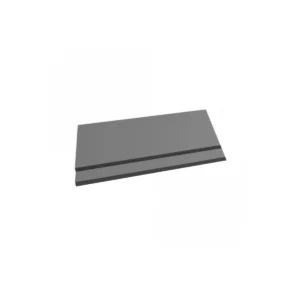
Kartell Purity 700mm Storm Grey Gloss 2 Piece End Panel
Original price was: £83.00.
Our Price: £46.49Current price is: £46.49. -
700mm End Bath Panels, Bath Panels, Baths, End Bath Panels, MDF Bath Panels, Wooden Bath Panels
Kartell Purity 700mm White 2 Piece Bath End Panel
Original price was: £79.00.
Our Price: £40.99Current price is: £40.99. -
800mm End Bath Panels, Bath Panels, Baths, End Bath Panels, MDF Bath Panels, Wooden Bath Panels
Kartell Purity 800mm White 2 Piece Bath End Panel
Original price was: £84.00.
Our Price: £42.99Current price is: £42.99. -
1700mm Front Bath Panels, Bath Panels, Baths, Front Bath Panels, MDF Bath Panels, Wooden Bath Panels
Scudo 1700mm Indigo MDF Vinyl Wrap Bath Front Panel
Original price was: £234.99.
Our Price: £119.49Current price is: £119.49. -
1800mm Front Bath Panels, Bath Panels, Baths, Front Bath Panels, MDF Bath Panels, Wooden Bath Panels
Scudo 1800mm Gloss White MDF Vinyl Wrap Bath Front Panel
Original price was: £179.99.
Our Price: £100.99Current price is: £100.99. -
1800mm Front Bath Panels, Bath Panels, Baths, Front Bath Panels, MDF Bath Panels, Wooden Bath Panels
Scudo 1800mm Indigo MDF Vinyl Wrap Bath Front Panel
Original price was: £234.99.
Our Price: £126.49Current price is: £126.49. -
800mm End Bath Panels, Bath Panels, Baths, End Bath Panels, MDF Bath Panels, Wooden Bath Panels
Scudo 800mm Gloss White MDF Vinyl Wrap Bath End Panel
Original price was: £98.99.
Our Price: £52.49Current price is: £52.49. -
800mm End Bath Panels, Bath Panels, Baths, End Bath Panels, MDF Bath Panels, Wooden Bath Panels
Scudo 800mm Indigo MDF Vinyl Wrap Bath End Panel
Original price was: £98.99.
Our Price: £52.49Current price is: £52.49. -
800mm End Bath Panels, Bath Panels, Baths, End Bath Panels, MDF Bath Panels, Wooden Bath Panels
Scudo 800mm Matt Grey MDF Vinyl Wrap Bath End Panel
Original price was: £98.99.
Our Price: £52.49Current price is: £52.49.