-
1 Outlet Shower Valves, Chrome Shower Valves, Concealed Shower Valves, Shower Valves, Showers, Thermostatic Shower Valves
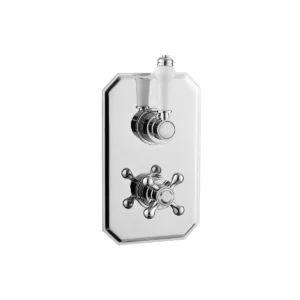
Kartell Viktory Concealed Single Outlet White Handle Shower Valve
Original price was: £282.00.
Our Price: £151.49Current price is: £151.49. -
2 Outlet Shower Valves, Chrome Shower Valves, Concealed Shower Valves, Shower Valves, Showers, Thermostatic Shower Valves
Kartell Viktory Concealed Thermostatic Cross Head Shower Valve Diverter
Original price was: £311.00.
Our Price: £160.49Current price is: £160.49. -
1 Outlet Shower Valves, Chrome Shower Valves, Exposed Shower Valves, Shower Valves, Showers, Thermostatic Shower Valves
Kartell Viktory Exposed White Handle Chrome Crosshead Shower Valve
Original price was: £292.00.
Our Price: £155.49Current price is: £155.49. -
1 Outlet Shower Valves, Black Shower Valves, Concealed Shower Valves, Shower Valves, Showers, Thermostatic Shower Valves
Scudo Matt Black 1 Outlet Twin Handle Concealed Shower Valve
Original price was: £353.99.
Our Price: £172.99Current price is: £172.99. -
2 Outlet Shower Valves, Black Shower Valves, Concealed Shower Valves, Shower Valves, Showers, Thermostatic Shower Valves
Scudo Matt Black 2 Outlet Triple Handle Concealed Shower Valve
Original price was: £427.99.
Our Price: £179.49Current price is: £179.49. -
1 Outlet Shower Valves, Chrome Shower Valves, Exposed Shower Valves, Shower Valves, Showers, Thermostatic Shower Valves
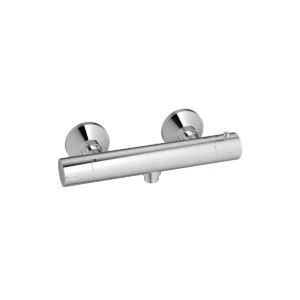
Scudo Polished Chrome Round Premium Exposed Shower Bar Valve
Original price was: £156.00.
Our Price: £82.99Current price is: £82.99. -
1 Outlet Shower Valves, Chrome Shower Valves, Exposed Shower Valves, Shower Valves, Showers, Thermostatic Shower Valves
Scudo Polished Chrome Square Exposed Shower Bar Valve
Original price was: £167.00.
Our Price: £81.99Current price is: £81.99.




TAILS’ FINISH COMPARISON
Set the shower’s tone at the controls
Browsing shower valves by finish helps you decide whether the controls should blend quietly with the enclosure or become a stronger design feature. From bright reflective metals to muted brushed surfaces and darker tones, the right finish connects the valve with nearby outlets, handles and bathroom furniture.
Compare Shower Valves by Finish Before You Commit
Balance colour, sheen and surrounding fittings across the shower area
Choose the Valve Finish Around These Priorities
Decide how much contrast you want
Chrome and lighter metallic finishes can create a brighter highlight, while black, gunmetal and deeper bronze tones give the controls greater visual weight. Consider whether the valve should stand out against the wall or sit closer to its colour.
Compare polished and brushed surfaces
Polished finishes reflect more light and often appear crisper, whereas brushed surfaces usually create a softer, more muted effect. When shopping, assess the sheen as well as the colour because two similarly toned valves can produce very different results.
Relate every visible shower component
The valve should sit comfortably beside the selected shower head, handset, outlet and enclosure details. Using closely related finishes can make separate components feel connected, although an exact match should not be assumed between different manufacturers or collections.
Look More Closely at the Options If
Several metal tones already compete
Adding another unrelated finish can make the shower area feel fragmented. Narrow the range to a valve that supports the dominant tap, enclosure or furniture details rather than introducing a new colour solely because it looks appealing in isolation.
The wall colour changes its appearance
The same valve finish can look lighter, warmer or more reflective against different tiles and wall panels. Compare product imagery with the planned background, particularly when choosing muted nickel, bronze or gunmetal tones with subtle undertones.
You are matching an existing shower
A shared finish name does not guarantee that a replacement valve will match older fittings. Colour depth, surface texture and sheen can vary, so compare the existing components carefully and prioritise compatibility before purchasing by appearance.
Shower Valve Finish FAQs
Finish matching, surface character and mixed-metal schemes explained
-
Must the valve match the shower head exactly?
No. A close tonal relationship is often sufficient, especially when the components are separated on the wall. For the most consistent result, use products from one collection, as identical finish names can still vary between manufacturers.
-
Which shower valve finishes show marks most clearly?
Visibility depends on the surface, lighting and local water. Highly reflective finishes may show droplets and fingerprints, while dark or brushed surfaces can reveal pale residue. Follow the individual care guidance rather than assuming one finish is maintenance-free.
-
Can different metal finishes work in one bathroom?
Yes, when the combination is deliberate and limited. Keep one finish dominant and use the second as a smaller accent, ensuring the undertones relate rather than mixing several polished, brushed, warm and cool metals without a clear pattern.
DESIGNER’S NOTE
Use the valve finish to anchor the shower wall, repeating it in one or two nearby details while allowing tiles and furniture to provide the broader colour story.