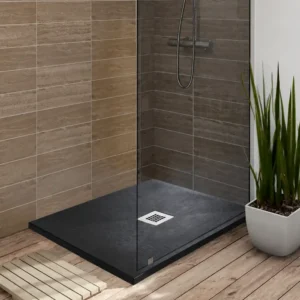
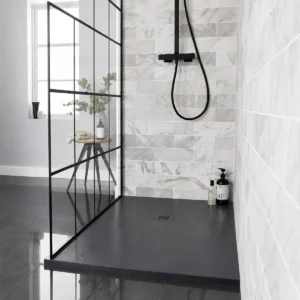
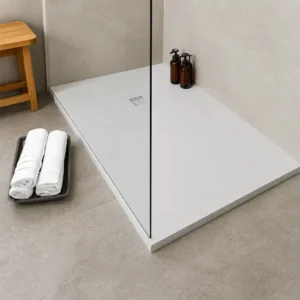
A textured finish gives stone effect shower trays a more natural, premium look than plain gloss trays, making them a strong choice for walk-in showers and modern enclosures. The stone-style surface adds depth under glass screens, especially in low profile layouts where the tray is part of the overall bathroom design.
-

Black Stone Effect Shower Trays
3 products -

Grey Stone Effect Shower Trays
4 products -

White Stone Effect Shower Trays
3 products -
1200 x 800mm Rectangular Shower Trays, 1200mm Anti-Slip Shower Trays, 30mm Low Profile Shower Trays, Anti-Slip Shower Trays, Black Stone Effect Shower Trays, Low Profile Shower Trays, Rectangular Shower Trays, Shower Trays, Stone Effect Shower Trays
Kartell Black Stone Effect 1200 x 800mm Anti-Slip Shower Tray
Original price was: £493.00.
Our Price: £262.49Current price is: £262.49. -
1400 x 900mm Rectangular Shower Trays, 1400mm Anti-Slip Shower Trays, 30mm Low Profile Shower Trays, Anti-Slip Shower Trays, Black Stone Effect Shower Trays, Low Profile Shower Trays, Rectangular Shower Trays, Shower Trays, Stone Effect Shower Trays
Kartell Black Stone Effect 1400 x 900mm Anti-Slip Shower Tray
Original price was: £536.00.
Our Price: £279.99Current price is: £279.99. -
1600 x 700mm Rectangular Shower Trays, 1600mm Anti-Slip Shower Trays, 30mm Low Profile Shower Trays, Anti-Slip Shower Trays, Black Stone Effect Shower Trays, Low Profile Shower Trays, Rectangular Shower Trays, Shower Trays, Stone Effect Shower Trays
Kartell Black Stone Effect 1600 x 700mm Anti-Slip Shower Tray
Original price was: £569.00.
Our Price: £283.99Current price is: £283.99. -
1200 x 700mm Rectangular Shower Trays, 1200mm Anti-Slip Shower Trays, 30mm Low Profile Shower Trays, Anti-Slip Shower Trays, Grey Stone Effect Shower Trays, Low Profile Shower Trays, Rectangular Shower Trays, Shower Trays, Stone Effect Shower Trays
Kartell Graphite Stone Effect 1200 x 700mm Anti-Slip Shower Tray
Original price was: £483.00.
Our Price: £246.99Current price is: £246.99. -
1400 x 700mm Rectangular Shower Trays, 1400mm Anti-Slip Shower Trays, 30mm Low Profile Shower Trays, Anti-Slip Shower Trays, Grey Stone Effect Shower Trays, Low Profile Shower Trays, Rectangular Shower Trays, Shower Trays, Stone Effect Shower Trays
Kartell Graphite Stone Effect 1400 x 700mm Anti-Slip Shower Tray
Original price was: £526.00.
Our Price: £267.99Current price is: £267.99. -
1600 x 700mm Rectangular Shower Trays, 1600mm Anti-Slip Shower Trays, 30mm Low Profile Shower Trays, Anti-Slip Shower Trays, Grey Stone Effect Shower Trays, Low Profile Shower Trays, Rectangular Shower Trays, Shower Trays, Stone Effect Shower Trays
Kartell Graphite Stone Effect 1600 x 700mm Anti-Slip Shower Tray
Original price was: £569.00.
Our Price: £283.99Current price is: £283.99. -
1700 x 700mm Rectangular Shower Trays, 1700mm Anti-Slip Shower Trays, 30mm Low Profile Shower Trays, Anti-Slip Shower Trays, Grey Stone Effect Shower Trays, Low Profile Shower Trays, Rectangular Shower Trays, Shower Trays, Stone Effect Shower Trays
Kartell Graphite Stone Effect 1700 x 700mm Anti-Slip Shower Tray
Original price was: £612.00.
Our Price: £309.99Current price is: £309.99. -
1200 x 800mm Rectangular Shower Trays, 1200mm Anti-Slip Shower Trays, 30mm Low Profile Shower Trays, Anti-Slip Shower Trays, Low Profile Shower Trays, Rectangular Shower Trays, Shower Trays, Stone Effect Shower Trays, White Stone Effect Shower Trays
Kartell White Stone Effect 1200 x 800mm Anti-Slip Shower Tray
Original price was: £493.00.
Our Price: £262.49Current price is: £262.49. -
1400 x 900mm Rectangular Shower Trays, 1400mm Anti-Slip Shower Trays, 30mm Low Profile Shower Trays, Anti-Slip Shower Trays, Low Profile Shower Trays, Rectangular Shower Trays, Shower Trays, Stone Effect Shower Trays, White Stone Effect Shower Trays
Kartell White Stone Effect 1400 x 900mm Anti-Slip Shower Tray
Original price was: £536.00.
Our Price: £279.99Current price is: £279.99. -
1600 x 700mm Rectangular Shower Trays, 1600mm Anti-Slip Shower Trays, 30mm Low Profile Shower Trays, Anti-Slip Shower Trays, Low Profile Shower Trays, Rectangular Shower Trays, Shower Trays, Stone Effect Shower Trays, White Stone Effect Shower Trays
Kartell White Stone Effect 1600 x 700mm Anti-Slip Shower Tray
Original price was: £569.00.
Our Price: £283.99Current price is: £283.99.