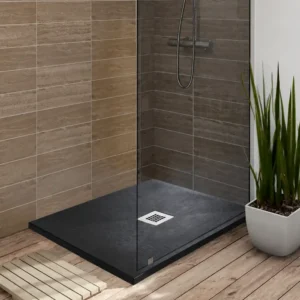
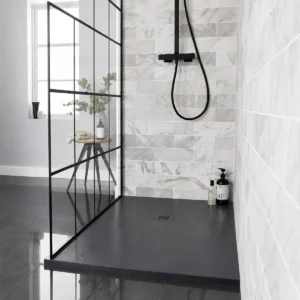
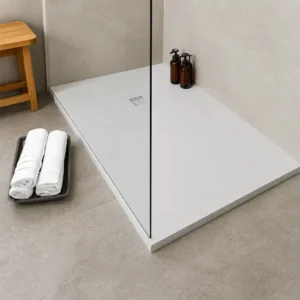
Rectangular shower trays are ideal when you want more standing room than a square tray without using unnecessary floor space. The longer shape suits walk-in showers, sliding doors, recess installations and larger enclosures where comfort matters. Narrow 700mm widths can work well in tighter rooms, while 800mm widths give a roomier feel for everyday showering. Compare length, width, waste position and screen compatibility before choosing a rectangle shower tray for your layout.
-
1000 x 900mm Rectangular Shower Trays
1 product -
1200 x 900mm Rectangular Shower Trays
1 product -
1500 x 800mm Rectangular Shower Trays
1 product -
1500 x 900mm Rectangular Shower Trays
1 product -
1600 x 900mm Rectangular Shower Trays
1 product -
1700 x 900mm Rectangular Shower Trays
1 product -

1400 x 700mm Rectangular Shower Trays
1 product -

1400 x 900mm Rectangular Shower Trays
3 products -
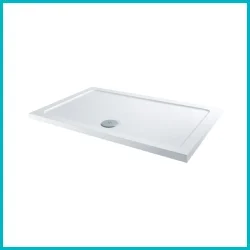
1600 x 700mm Rectangular Shower Trays
3 products -

1000 x 800mm Rectangular Shower Trays
1 product -

1200 x 700mm Rectangular Shower Trays
1 product -

1200 x 800mm Rectangular Shower Trays
3 products -

1400 x 800mm Rectangular Shower Trays
1 product -
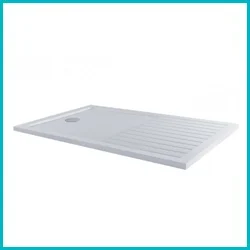
1600 x 800mm Rectangular Shower Trays
1 product -
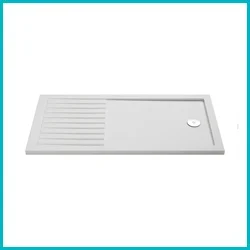
1700 x 700mm Rectangular Shower Trays
2 products -
1700 x 800mm Rectangular Shower Trays
1 product -
1200 x 800mm Rectangular Shower Trays, 1200mm Anti-Slip Shower Trays, 30mm Low Profile Shower Trays, Anti-Slip Shower Trays, Black Stone Effect Shower Trays, Low Profile Shower Trays, Rectangular Shower Trays, Shower Trays, Stone Effect Shower Trays
Kartell Black Stone Effect 1200 x 800mm Anti-Slip Shower Tray
Original price was: £493.00.
Our Price: £262.49Current price is: £262.49. -
1400 x 900mm Rectangular Shower Trays, 1400mm Anti-Slip Shower Trays, 30mm Low Profile Shower Trays, Anti-Slip Shower Trays, Black Stone Effect Shower Trays, Low Profile Shower Trays, Rectangular Shower Trays, Shower Trays, Stone Effect Shower Trays
Kartell Black Stone Effect 1400 x 900mm Anti-Slip Shower Tray
Original price was: £536.00.
Our Price: £279.99Current price is: £279.99. -
1600 x 700mm Rectangular Shower Trays, 1600mm Anti-Slip Shower Trays, 30mm Low Profile Shower Trays, Anti-Slip Shower Trays, Black Stone Effect Shower Trays, Low Profile Shower Trays, Rectangular Shower Trays, Shower Trays, Stone Effect Shower Trays
Kartell Black Stone Effect 1600 x 700mm Anti-Slip Shower Tray
Original price was: £569.00.
Our Price: £283.99Current price is: £283.99. -
1200 x 700mm Rectangular Shower Trays, 1200mm Anti-Slip Shower Trays, 30mm Low Profile Shower Trays, Anti-Slip Shower Trays, Grey Stone Effect Shower Trays, Low Profile Shower Trays, Rectangular Shower Trays, Shower Trays, Stone Effect Shower Trays
Kartell Graphite Stone Effect 1200 x 700mm Anti-Slip Shower Tray
Original price was: £483.00.
Our Price: £246.99Current price is: £246.99. -
1400 x 700mm Rectangular Shower Trays, 1400mm Anti-Slip Shower Trays, 30mm Low Profile Shower Trays, Anti-Slip Shower Trays, Grey Stone Effect Shower Trays, Low Profile Shower Trays, Rectangular Shower Trays, Shower Trays, Stone Effect Shower Trays
Kartell Graphite Stone Effect 1400 x 700mm Anti-Slip Shower Tray
Original price was: £526.00.
Our Price: £267.99Current price is: £267.99. -
1600 x 700mm Rectangular Shower Trays, 1600mm Anti-Slip Shower Trays, 30mm Low Profile Shower Trays, Anti-Slip Shower Trays, Grey Stone Effect Shower Trays, Low Profile Shower Trays, Rectangular Shower Trays, Shower Trays, Stone Effect Shower Trays
Kartell Graphite Stone Effect 1600 x 700mm Anti-Slip Shower Tray
Original price was: £569.00.
Our Price: £283.99Current price is: £283.99. -
1700 x 700mm Rectangular Shower Trays, 1700mm Anti-Slip Shower Trays, 30mm Low Profile Shower Trays, Anti-Slip Shower Trays, Grey Stone Effect Shower Trays, Low Profile Shower Trays, Rectangular Shower Trays, Shower Trays, Stone Effect Shower Trays
Kartell Graphite Stone Effect 1700 x 700mm Anti-Slip Shower Tray
Original price was: £612.00.
Our Price: £309.99Current price is: £309.99. -
1200 x 800mm Rectangular Shower Trays, 1200mm Anti-Slip Shower Trays, 30mm Low Profile Shower Trays, Anti-Slip Shower Trays, Low Profile Shower Trays, Rectangular Shower Trays, Shower Trays, Stone Effect Shower Trays, White Stone Effect Shower Trays
Kartell White Stone Effect 1200 x 800mm Anti-Slip Shower Tray
Original price was: £493.00.
Our Price: £262.49Current price is: £262.49. -
1400 x 900mm Rectangular Shower Trays, 1400mm Anti-Slip Shower Trays, 30mm Low Profile Shower Trays, Anti-Slip Shower Trays, Low Profile Shower Trays, Rectangular Shower Trays, Shower Trays, Stone Effect Shower Trays, White Stone Effect Shower Trays
Kartell White Stone Effect 1400 x 900mm Anti-Slip Shower Tray
Original price was: £536.00.
Our Price: £279.99Current price is: £279.99. -
1600 x 700mm Rectangular Shower Trays, 1600mm Anti-Slip Shower Trays, 30mm Low Profile Shower Trays, Anti-Slip Shower Trays, Low Profile Shower Trays, Rectangular Shower Trays, Shower Trays, Stone Effect Shower Trays, White Stone Effect Shower Trays
Kartell White Stone Effect 1600 x 700mm Anti-Slip Shower Tray
Original price was: £569.00.
Our Price: £283.99Current price is: £283.99. -
1000 x 800mm Rectangular Shower Trays, 1000mm Anti-Slip Shower Trays, 30mm Low Profile Shower Trays, Anti-Slip Shower Trays, Low Profile Shower Trays, Rectangular Shower Trays, Shower Trays, Slate Effect Shower Trays, White Slate Effect Shower Trays
Scudo Azura 1000 x 800mm White Textured Slate Linear Waste Shower Tray
Original price was: £320.00.
Our Price: £199.99Current price is: £199.99. -
1000 x 900mm Rectangular Shower Trays, 1000mm Anti-Slip Shower Trays, 30mm Low Profile Shower Trays, Anti-Slip Shower Trays, Low Profile Shower Trays, Rectangular Shower Trays, Shower Trays, Slate Effect Shower Trays, White Slate Effect Shower Trays
Scudo Azura 1000 x 900mm White Textured Slate Linear Waste Shower Tray
Original price was: £330.00.
Our Price: £209.99Current price is: £209.99.